To revive, revitalise and resuscitate the vedic way of life with practices in its truest essence fostering spiritual evolution to both men and women.
Vedic learning · spiritual practice · teaching · service
Sri Devinatha
Mission
Rooted in wisdom. Lived through practice.
A living tradition dedicated to the Vedic way of life, spiritual practice, teaching and service.
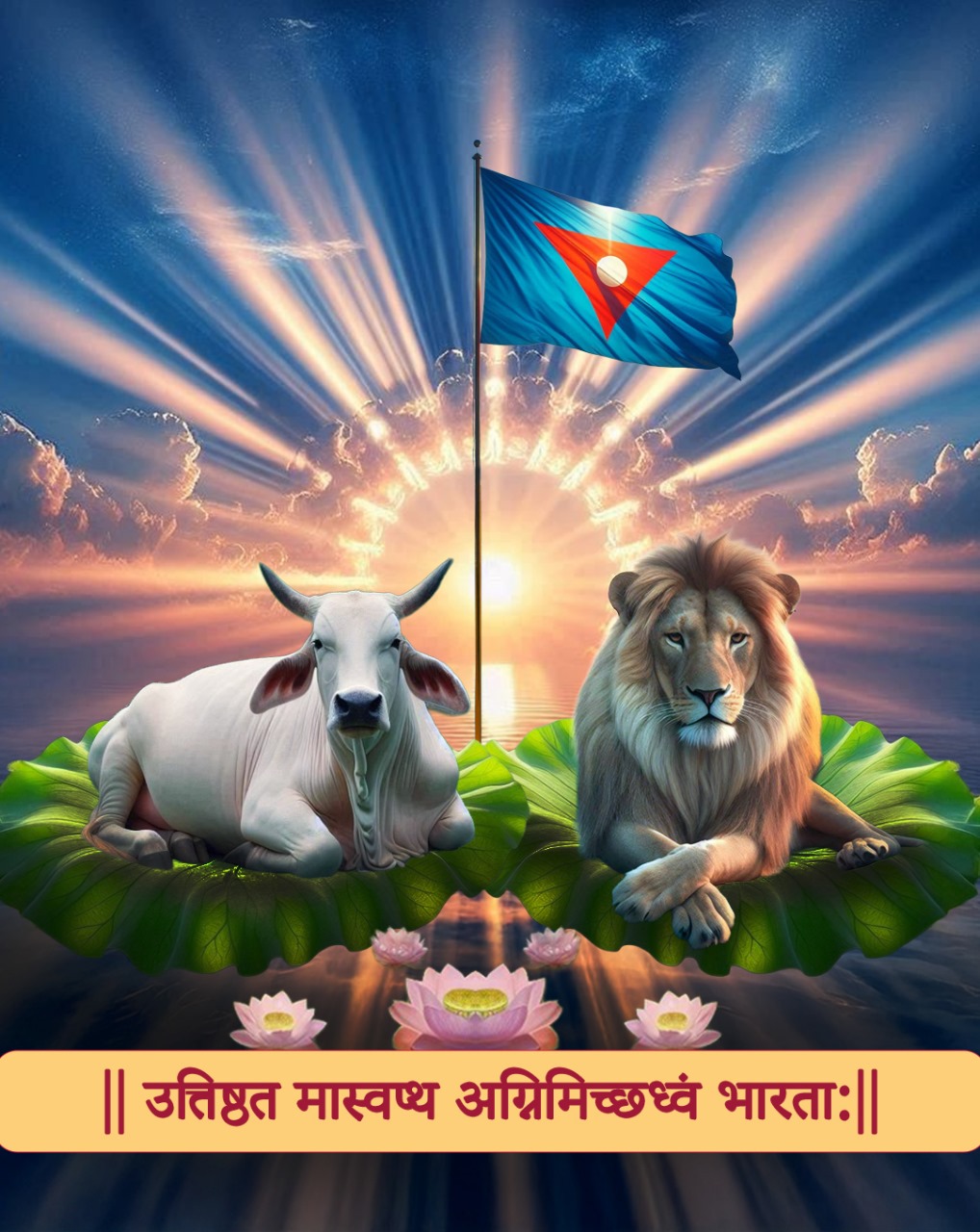
uttiṣṭhata mā svapta, agnim icchadhvaṃ bhāratāḥ
To establish a distinguished center of learning, dedicated to imparting the knowledge of Vedas and shastras.
Practice in the world
Programmes & initiatives
Learning, initiation and seva are expressions of one shared purpose: enabling dharma to be studied, practised and carried forward.
Upanayanam for All
Upanayanam and Vedic practice for women and men of all birth castes.
Read more
Vedic and several Gṛhya-sūtra sources preserve a clear memory of women practicing vedic rites. The Harita, Gopila, Āpastamba and several other traditions explicitly allow upanayana and Veda-adhyayanam for women. Epic testimony aligns with the reference from Ramayana where Sītā is depicted performing Sandhyā-vandana. Revered women like Arundhatī, Lopāmudrā, Gārgī, and others upheld Vedic learning and daily spiritual practices within family life.
At Sri Devinatha Mission, we regard the Vedas as common to all. We enable women and men, irrespective of birth caste, to receive Upanayanam initiation and embark on their spiritual journey through Vedic learning and practice.
Mahathee Veda Pāṭhaśālā
Traditional Vedic education in a gurukula atmosphere.
Read more
In alignment with our cultural values, we have also established a Veda Pāṭhaśālā, reviving and preserving the ancient tradition of Vedic learning, where students are guided in the timeless wisdom of the Vedas. There are over 30 vidyarti-s (students) in our Gummidipundi and Kailasa Konai campus pāṭhaśālās. Under the aegis of this Mission, Mahathee Veda Pāṭhaśālā was established in 2005. It is presently functioning at Poovalai village near Gummidipundi (Tamil Nadu), imparting traditional Vedic education in a gurukula atmosphere.
Evening Pāṭhaśālā
Vedic learning alongside regular school education.
Read more
In today’s world, many parents wish for their children to receive Vedic learning alongside regular school education. The Evening Pāṭhaśālā enables children to:
- balance academic pursuits with spiritual growth
- imbibe the timeless wisdom of the Vedas
- remain anchored in dharmic values while continuing with mainstream schooling.
Krishna Yajur Veda – Evening Veda Classes — First Batch 14 Dec 2025
- Course Content: Krishna Yajur Veda Samhita Moolam
- Eligibility: Boys aged 7+ years who have undergone upanayanam
- Course Duration: 8–10 years
- Class Frequency: 4–5 classes/week
- Timings: 5:00 pm – 7:00 pm
- Venue: “Ashramam”, 2B, Plot No. 34, Door No. 16 Thiruvengadasami Street, Kannabiran Colony, Saligramam, Chennai – 600 093
School Donations
Books, learning materials and essentials for nearby village schools.
Read more
Under our Samsthāpanam, we have initiated various establishments and philanthropic efforts rooted in service, knowledge, and tradition. The Devinatha Mission is dedicated to supporting rural education through the donation of books, learning materials, and essentials to village schools, nurturing young minds with access to knowledge. We have been supporting nearby underprivileged schools with all required notebooks, stationery and other school supplies over the past 23 years.
Our origin
A tradition lived, not merely remembered
The origin of Devinatha Samsthapanam traces its roots to ‘The Bharatheeya Institute’—an institute to revive, revitalize and resuscitate ancient Hindu religion—envisioned and established by Pujyaśrī Devinatha Gurudeva in the year 1944. Through the years, Sri Devinatha Samsthapanam hosts an umbrella of establishments united by a singular vision—to bring the radiant wisdom of the Vedic tradition into the world as walked by our revered Maharishis, the ancient sages of India.
ललिता षोडशी प्रेमनिमग्न परमात्मने। ईशभट्टारकेन्द्राय देवीनाथाय ते नमः॥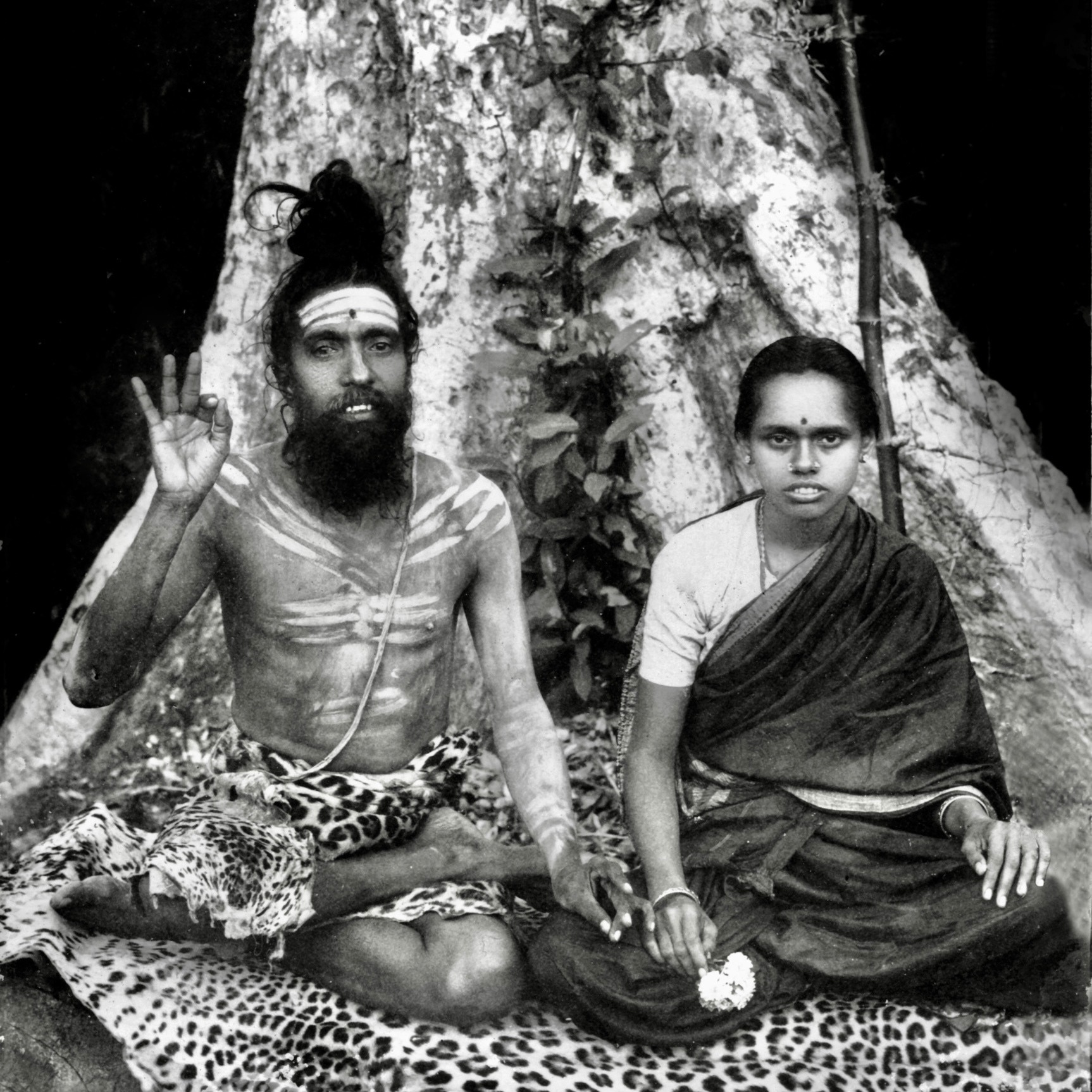
The living tradition
Pujyaśrī Devinatha
Born 1905 in Polagam (Thanjavur District) as Ramachandra Shastrigal, into a family renowned for Vedic learning. Orphaned young, he excelled in Veda adhyayanam at the pāṭhaśālā of Kaveripoompattinam and later taught at the Vaideeshwaran Temple near Mayavaram. Forthright and rigorous, he upheld factual, text-rooted ritual understanding and consistently affirmed women’s dignity and equal spiritual rights.
Initiation by Śrī Māta
On an Āṣāḍha–Pūrvaphalgunī dawn he was initiated (dīkṣā) into the Śrīvidyā mārga, experienced as the pinnacle of realization. In South India it is revered as specially sacred to Śrī Rājarājeśvarī Lalitā.
Svarūpānubhava on Akṣaya Tṛtīyā
At Tiruvarur, he entered a svarūpānubhava—an immediate recognition of being present in all beings—and meditated in samādhi for 48 days beneath a Pātāla tree at the Tyāgarāja Temple. On the third day, Akṣaya Tṛtīyā, he realized himself as Śrī Tyāgarāja offering pūjā to Śrī Kamalāmbā. He had envisioned himself as Cakrarāja, with insight into his Kāmeśvara-svarūpa and avatāra-viśeṣa; from that day the Kāmeśvara-bhāva was said to abide permanently.
Writings & Teachings
In the 1940s he authored the research treatise śriShTi sahacaraM pArameshvaraM vedamArgaM—expounding the essence of the Vedic/Hindu religion, affirming the universality of the Vedas, and tracing departures from the Vedic path. He also composed śrīvidyā sūtraM, a treasured guide for Śrīvidyā upāsakas that explains creation and Śrīvidyā-śāstra and directs seekers toward the highest stages of spiritual evolution.
Call to Tapas & Sacred Union
Following an inner command from Śrī Māta to undertake forest tapas—with assurance of Her companionship—he left Chennai, met Pujyaśri Devi (recognized as Śrī Māta Herself), and married her. Together they established the Divya Paramparā of Lalitā–Kāmeśvara and began austerities near Injikuzhi above Bhāna Tīrtham in the Agastya Koota hills. Though very young, Pujyaśri Devi embraced the forest life wholeheartedly, reflecting the divine purpose of her embodiment.
Pujyaśri Gurudeva Dampathy—who were avatāra of Mahāśakti Lalitā and Kāmeśvara Themselves—established the Divya Paramparā, known as the Divine Mahathee Maṇḍalam. Their forms as Lalitā and Kāmeśvara were directly experienced and realized by many śiṣyas.
Kailasa Konai · established 1954
Our Temple
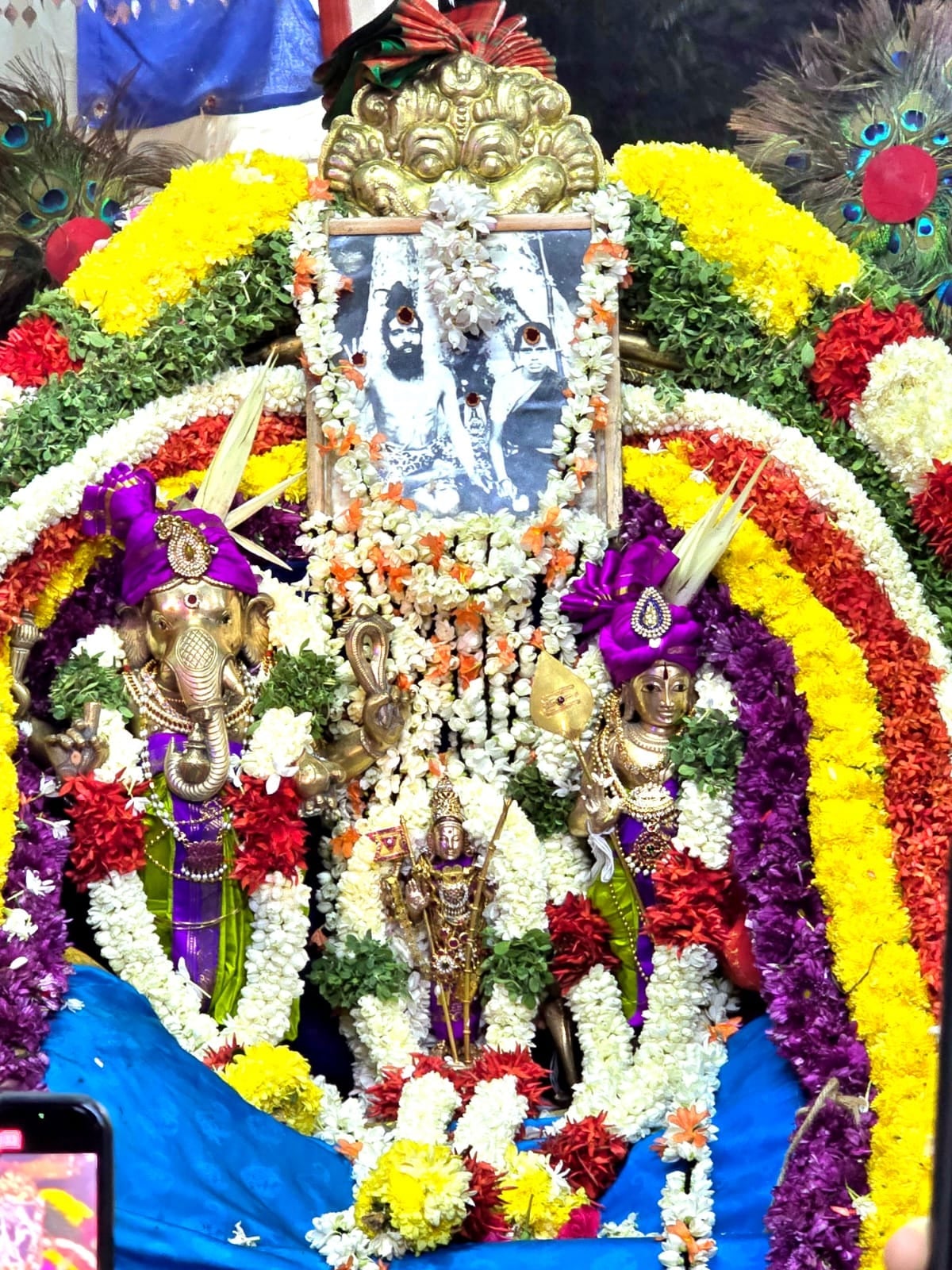
The sacred Sivasakthi Ashram at Kailasa Konai, founded in 1954 by Pujyaśrī Devinatha, stands as a vibrant spiritual center. Originally consecrated with Balavinaya and Balasubrahmanya as the presiding deities in the same sannidhi, the ashram has grown to include MahaMeru, Shiva, and Gayatri sannidhis, radiating divine energy. Annual Kṛttikā and Navarātri Utsavams are celebrated with great devotion and valor, drawing seekers and devotees into deep spiritual communion.
From the tradition
Vedas
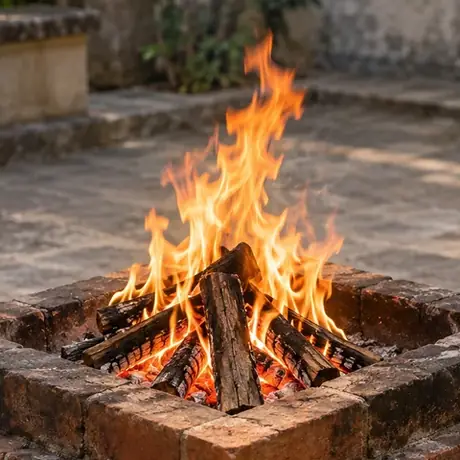
The first hymn of the Ṛgveda opens with an oblation to Agni—“अग्निमीळे पुरोहितं”. Another verse from the Yajurveda calls out: “उत्तिष्ठत मास्वप्त अग्निमिच्छध्वं भारताः”—Arise, awake, worship Agni. Agni in the Veda is not merely material fire but the principle of manifestation and absorption. “Bhā” denotes light; one who worships this light is a Bhāratīya. The Vedic path begins with Gāyatrī and Agni, grows through disciplined brahmacarya, and flowers as sacred, balanced dampatya. In this integrated Veda-mārga, karma and jñāna are inseparable—branches from the same root. The culmination is a single, lived way in which right conduct, worship and insight mature together in the household’s sacred fire.
Study & gathering
Articles & events
Make time for reflection. Discover a teaching, explore a question, or join the life of the Mission.
Latest articles
View allGanapathi Upasana
Ganapatya darsanam.
Read on SubstackShatdarsanas
Six ways of Upasana.
Read on SubstackMission events
View allPast event
Ādi Kṛttikā Festival 2026
The annual Ādi Kṛttikā festival at Kailasa Konai, with its principal celebrations on 6 and 7 August 2026.
4 August 2026 - 8 August 2026Sivasakthi Ashramam, Kailasa Konai
Event details Begin a conversation
Enquiries & contact
For information about the Mission, its programmes or visits to the ashram, send an enquiry or reach us by phone.
Send an enquiryKailasa Kona, AndhraOpen in Maps